
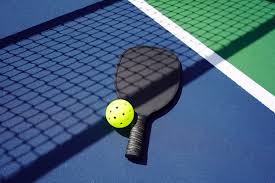
Adapting Pickleball Rules For Seniors
Pickleball has become popular for a very good reason. It is social, fun, easy to learn, and not quite as punishing as tennis. For many seniors, it offers the perfect mix of movement, laughter, light competition, and time with friends.
Still, not every group needs to play by tournament rules. In a senior living community, recreation center, or casual neighborhood game, the goal is not to prove who can dive across the court like a teenager with something to prove. The goal is to keep people active, safe, and coming back.
That is where adapted pickleball rules can help.
Start With Safety, Not Scorekeeping
The easiest way to adapt pickleball for seniors is to agree that safety comes first. That may sound obvious, but it changes the whole mood of the game.
Players can agree that no one should chase hard shots into fences, walls, benches, or other courts. If the ball is too far away, let it go. Losing one point is better than losing balance and taking a fall.
It also helps to allow a short warmup before each game. A few minutes of easy hitting gives shoulders, knees, hips, and hands time to wake up.
Slow The Game Down A Little
Some senior groups use a softer ball, lighter paddles, or a slightly slower pace of play. Others agree to avoid hard body shots, especially at close range. That one change alone can make the game feel friendlier.
Another option is to allow the ball to bounce twice for players who need more time. This can be used for everyone in the group, or just for certain players by agreement. It is not official tournament pickleball, but it can make casual games more inclusive.
For players with limited mobility, serving from a step or two inside the baseline may also be reasonable. The point is to keep the serve comfortable and controlled, not turn it into a shoulder test.
Make Doubles The Default
Doubles is usually the best format for seniors because it reduces how much court each person has to cover. It also keeps the game social. Players can talk, encourage each other, laugh at the odd bounce, and share the work.
Rotating partners is a nice touch too. It keeps one team from dominating and gives everyone a chance to play with different people. For community games, that may matter more than the final score.
Adjust Game Length
Standard games can be played to 11 points, but shorter games may work better for some groups. Playing to 7, or setting a simple time limit, keeps people from getting overly tired.
On very hot days, especially in Arizona, indoor play or morning play is much safer. Water breaks should be normal, not treated like an interruption. In fact, a scheduled water break every few minutes is one of the smartest “rules” a senior group can add.
Keep The Spirit Friendly
Good adapted rules are not about lowering the game. They are about opening the game. A player recovering from surgery, dealing with arthritis, managing balance issues, or simply rebuilding confidence should still be able to join in.
The best rule is simple: make the game fit the people playing it.
Call Canyon Winds Retirement
Canyon Winds Retirement encourages seniors to stay active, connected, and involved in daily life. From social activities to wellness focused living, our community is designed to support comfort, friendship, and a full retirement lifestyle. Contact Canyon Winds Retirement today to learn more.
References
USA Pickleball, Official Rules
USA Pickleball, How To Play Pickleball
National Institute On Aging, Four Types Of Exercise Can Improve Your Health
Canyon Winds Retirement Offers Assisted Living in Mesa, Arizona
Canyon Winds Retirement is an assisted living facility in Mesa, Arizona. To schedule a tour of our assisted living facility, contact SLS Communities or for more information please call us today at 480-780-1037.
More Articles About Senior Living
- Assisted Living Facilities Near Me
- Retirement Party Ideas For Coworker
- Covid-19 Vaccine: What Seniors Need To Know
- Retiring In Arizona Pros And Cons
- 5 Crafts For Seniors With Dementia
- Top 5 Best Part Time Jobs For Seniors At Home
- How To Retire Early At 45 – Steps To Retirement
- How To Talk To A Parent With Dementia
- Assisted Living Vs Memory Care
- Assisted Living Pros and Cons | Advantages & Disadvantages
- How To Pay For Assisted Living With Medicare
- How Much Does Assisted Living Cost in Arizona?
- Retirement Wishes For A Boss
- How Much Does Assisted Living Cost In Mesa, Arizona?
- Independent Living Cost Arizona
- How Much Does Independent Living Cost?
- What is Memory Care?
- Benefits of Assisted Living
- Benefits of Independent Living
- Moving from Assisted Living to a Memory Care Facility
- Outdoor Activities For Seniors
- What Is Independent Living?
- What is Assisted Living?
- Retirement, Quotes, Sayings and Wishes
- How To Find A Retirement Community In Mesa, Arizona